


Low Testosterone Symptoms
Low testosterone, often referred to as “low T,” is a condition that affects many men, particularly as they age. Understanding the symptoms of low testosterone is crucial for early diagnosis and effective treatment. In this blog post, we will delve into the various symptoms associated with low testosterone, how it affects the body, and potential treatment options, including the use of Testogel.
Understanding Low Testosterone
Testosterone is a vital hormone in the male body, responsible for various functions such as muscle mass, bone density, and the production of red blood cells. It also plays a significant role in mood regulation and sexual health. As men age, testosterone levels naturally decline, but some may experience a more significant drop, leading to low testosterone symptoms.

Symptoms of Low Testosterone
Recognizing the symptoms of low testosterone is essential for seeking appropriate medical advice. Here are some common signs to look out for:
- Reduced Libido
- One of the most noticeable symptoms of low testosterone is a decrease in sexual desire. Men may find themselves less interested in sexual activities, which can affect relationships and overall quality of life.
- Erectile Dysfunction
- Low testosterone can lead to difficulties in achieving or maintaining an erection. While erectile dysfunction can result from various factors, low testosterone is a significant contributor.
- Fatigue
- Persistent fatigue or a lack of energy is another common symptom. Men may feel tired despite getting adequate sleep, affecting their daily activities and productivity.
- Loss of Muscle Mass
- Testosterone is crucial for building and maintaining muscle. A noticeable decrease in muscle mass or strength can indicate low testosterone levels.
- Increased Body Fat
- Men with low testosterone may experience an increase in body fat, particularly around the abdomen. This change can be frustrating and may lead to self-esteem issues.
- Mood Changes
- Low testosterone can impact mood, leading to symptoms such as irritability, depression, or anxiety. Men may find themselves feeling more emotional or less motivated.
- Decreased Bone Density
- Testosterone plays a role in maintaining bone health. Low levels can lead to a decrease in bone density, increasing the risk of fractures and osteoporosis.
- Hot Flashes
- Although more commonly associated with women, some men with low testosterone experience hot flashes, characterized by sudden feelings of warmth and sweating.
- Sleep Disturbances
- Men with low testosterone may experience sleep issues, including insomnia or disrupted sleep patterns.
- Cognitive Changes
- Some studies suggest that low testosterone may affect cognitive functions, leading to difficulties with concentration and memory.
Diagnosing Low Testosterone Symptoms
If you suspect you have low testosterone symptoms, it is essential to consult with a healthcare professional. Diagnosis typically involves a physical examination, a review of symptoms, and blood tests to measure testosterone levels.
Treatment Options
There are several treatment options available for managing low testosterone symptoms. One popular method is testosterone replacement therapy (TRT), which can help restore testosterone levels to normal.
Testogel: A Convenient Option
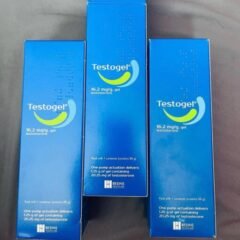
One effective form of TRT is Testogel, a topical gel that can be applied daily to the skin. Testogel is designed to deliver testosterone directly into the bloodstream, helping to alleviate symptoms of low testosterone.
For more information on Testogel, you can explore the following links:
Lifestyle Changes to Support Testosterone Levels
In addition to medical treatments, certain lifestyle changes can help support healthy testosterone levels:
- Regular Exercise
- Engaging in regular physical activity, particularly strength training, can boost testosterone levels and improve overall health.
- Healthy Diet
- A balanced diet rich in whole foods, healthy fats, and lean proteins supports hormone production. Foods like eggs, nuts, and leafy greens can be beneficial.
- Adequate Sleep
- Prioritizing sleep is crucial for hormone regulation. Aim for 7-9 hours of quality sleep each night.
- Stress Management
- Chronic stress can lead to elevated cortisol levels, which can negatively impact testosterone. Incorporating stress-reducing activities such as meditation or yoga can help.
- Limit Alcohol and Substance Use
- Excessive alcohol consumption and drug use can contribute to low testosterone levels. Moderation is essential.
Conclusion Low Testosterone Symptoms
Understanding low testosterone symptoms is vital for early detection and treatment. If you experience any of the symptoms discussed, it is essential to consult with a healthcare professional for evaluation and potential treatment options. Testogel offers a convenient solution for those seeking testosterone replacement therapy. By making lifestyle changes and seeking appropriate medical advice, men can effectively manage low testosterone symptoms and improve their quality of life.
For further reading on testosterone treatments, check out these resources:
By staying informed and proactive, individuals can take control of their health and well-being.
Leave a Reply